Whether the horse is post-injury rehabilitation or simply just maintenance – treatment will aim to not only improve performance but overall health and reduce the risk of (re)injury.
Initial Intake
Whether the horse is a performance animal or simply a leisure horse, the process will remain the same. The aim for each treatment is to identify short-falls in function or performance that can be enhanced through treatment and exercise adaptations.
Once you contact Eclipse Vet Physio about booking an appointment Holly will have a conversation with you regarding the animal in order to fill in the below form. This can be done over the phone, email or messages – alternately you can fill it in yourself and make sure Holly has it prior to the appointment.
In the case of rehabilitation cases vet consent is required. This form can sent to your vets or the physio will contact your vets for you by email or over the phone to obtain a complete picture of your horse so that complete and most effective treatments may be given.
Assessment
1 – Discussion
When the therapist arrives for the appointment, she will have a quick conversation regarding how the horse has been recently (any changes good or bad?) and discuss your goals for the horse, be it short or long term and whether there are areas for specific consideration or cautions to note.
2 – Static and Dynamic
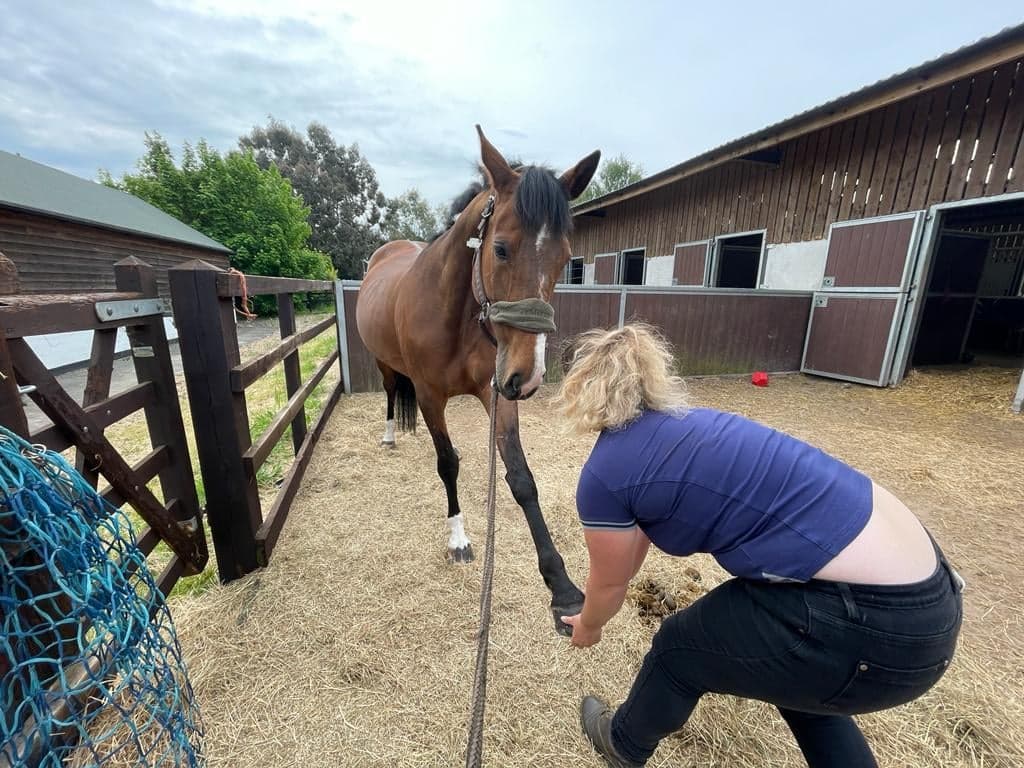
The horse will then be assessed statically and dynamically in order to create links between stationary and moving posture of your horse. These will highlight areas of potential weaknesses to assess further in the next stage of treatment along with connections between any current pathologies and their impacts of the horse’s mobility.
3 – Palpation and Range of Motion
Finally, a thorough palpation of the horse will locate areas of tension, tonicity, temperature increases and texture changes that have resulted from movement dysfunction or conditions.
Treatment
Depending on what is found in the assessment stages will mean different types of treatments will be required. The horse will tell you how much it will allow in the first session but the aim will be to decrease any painful areas and increase muscle extensibility in order to allow better joint range of motion and functionality.
Due to their nature as a prey animal when the horse feels pain in an area they will choose to stabilise this by holding the muscles in constant contraction, but in doing so they don’t apply these muscles to their full range of motion and risk creating “stuck” areas where even if they try to relax these muscles are now unable to do so. That is where the therapist can come in and identify such areas to address them and relay back to the owner how to identify and restrict the potential for them to return.
Manual Therapies
Therapeutic Massage
Myofascial Release Techniques
FascialEdge® Tool
Trigger Point Therapy
Stimulatory Massage
Passive Range of Motion
Joint Mobilisations
Stretches (Passive or Active)
Modalities
Transcutaneous Electrical Nerve Stimulation (TENS)
Neuromuscular Electrical Stimulation (NMES)
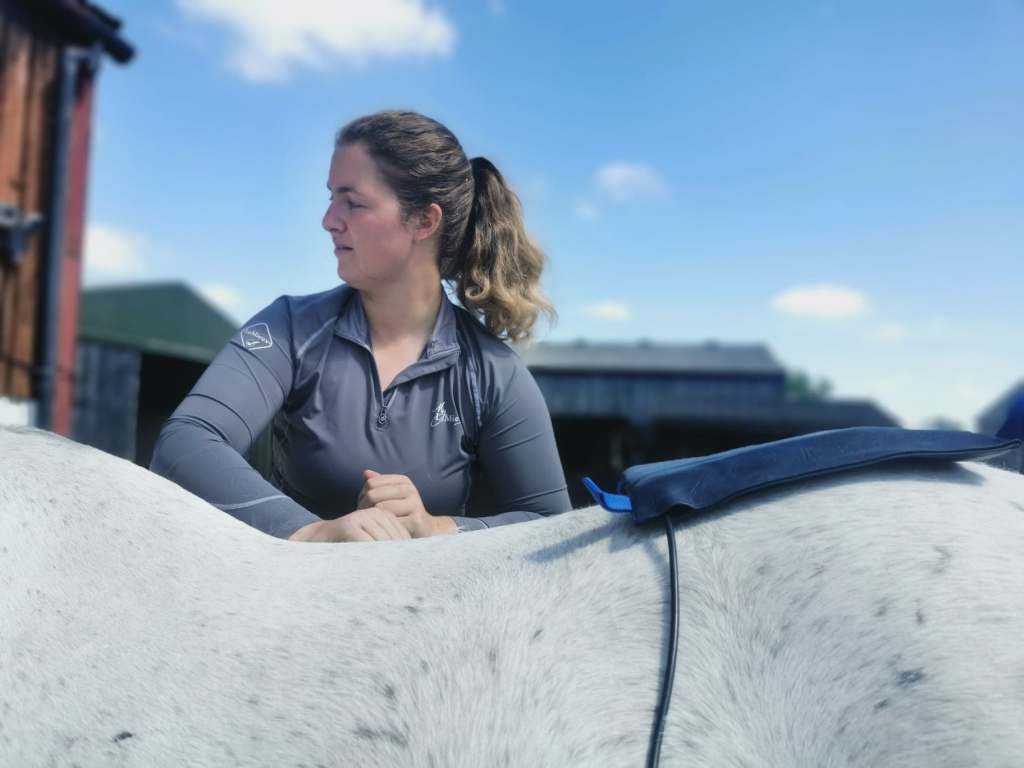
Thermotherapy (Epiony XL Pad)
Cryotherapy
Photobiomodulation (Laser)
Pulsed Electromagnetic Field Therapy
Therapeutic Ultrasound
Exercises
Static exercises (i.e. stretches)
In-hand work
Groundwork
Dynamic Lateral work
Ridden work
Gradient work
Pole work
*To be included in a post treatment plan depending on each case*
Post Treatment
A plan for future treatment schedules and exercises will be discussed after the initial treatments to address short and long-term goals to encourage optimal health and wellbeing.
After the treatment of your horse the therapist will send on a report to the Vet and to yourself for your own records if required.
Eclipse Vet Physio aims to provide a holistic approach to therapy for both horses and dogs in need to fine tuning, conditioning or rehabilitation; offering up to date knowledge and experience in elite athletes in a friendly and welcoming environment.
 Eclipse Vet Physio